The light from your phone screen is the only thing still awake.
On the bedside table: a half-finished bag of crisps, your glass of wine almost empty, Netflix asking if you’re still watching. You feel heavy and wired at the same time. Your eyelids sting, but your brain keeps replaying the day, like a playlist stuck on repeat. You turn on your side, then the other, annoyed at your own body.
Some nights, it’s not stress or work or kids that are the problem.
It’s that tiny thing you barely think about: what you ate before bed.
And once you notice it, you can’t unsee it.
Wat je ’s avonds eet, dicteert je nacht
Picture two late evenings.
In one, you rush home, eat a quick greasy takeaway at 21:30, scroll a bit, then collapse into bed. In the other, you snack on a small bowl of yoghurt with some fruit around 21:00, drink warm thee and dim the lights. Same bedroom, same mattress, same alarm time. Different menu, different night.
Your body isn’t a machine that shuts down on command.
It’s closer to a kitchen that keeps working long after you’ve closed the door.
There’s a Dutch sleep researcher who likes to show a simple graph during his talks. On the nights when participants ate zwaar, vet eten after 21:00, their deep sleep dropped by almost a third. On the nights with a lichte snack rijk aan tryptofaan, their slaapcycli were smoother and they woke up less. Nothing else changed: same people, same bedrooms, same stress levels.
One woman in the study said she had always blamed “being a bad sleeper”.
Turns out, it was mainly her late-night kaasplank and glass of red wine.
The logic is pretty straightforward. When you go to bed right after a heavy meal, your body is busy with verteren, not herstellen. Blood flows to your digestive system instead of your brain and muscles. Your hartslag stays hoger, your lichaamstemperatuur schiet niet omlaag zoals het hoort.
Foods rich in suiker and verzadigd vet confuse your hormonen.
Melatonine, the sleep hormone, gets mixed signals, while cortisol hangs around longer than it should. That’s when you wake up at 03:47 for no clear reason and stare at the ceiling.
Dit eten helpt je lichaam in slaapstand zetten
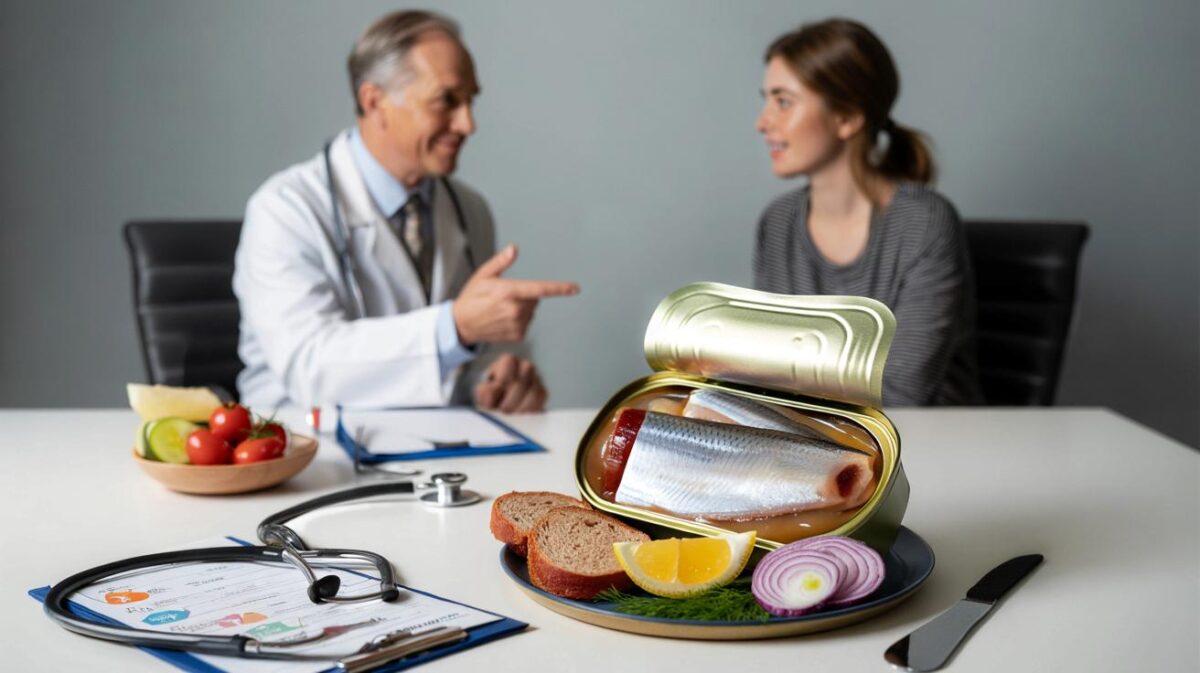
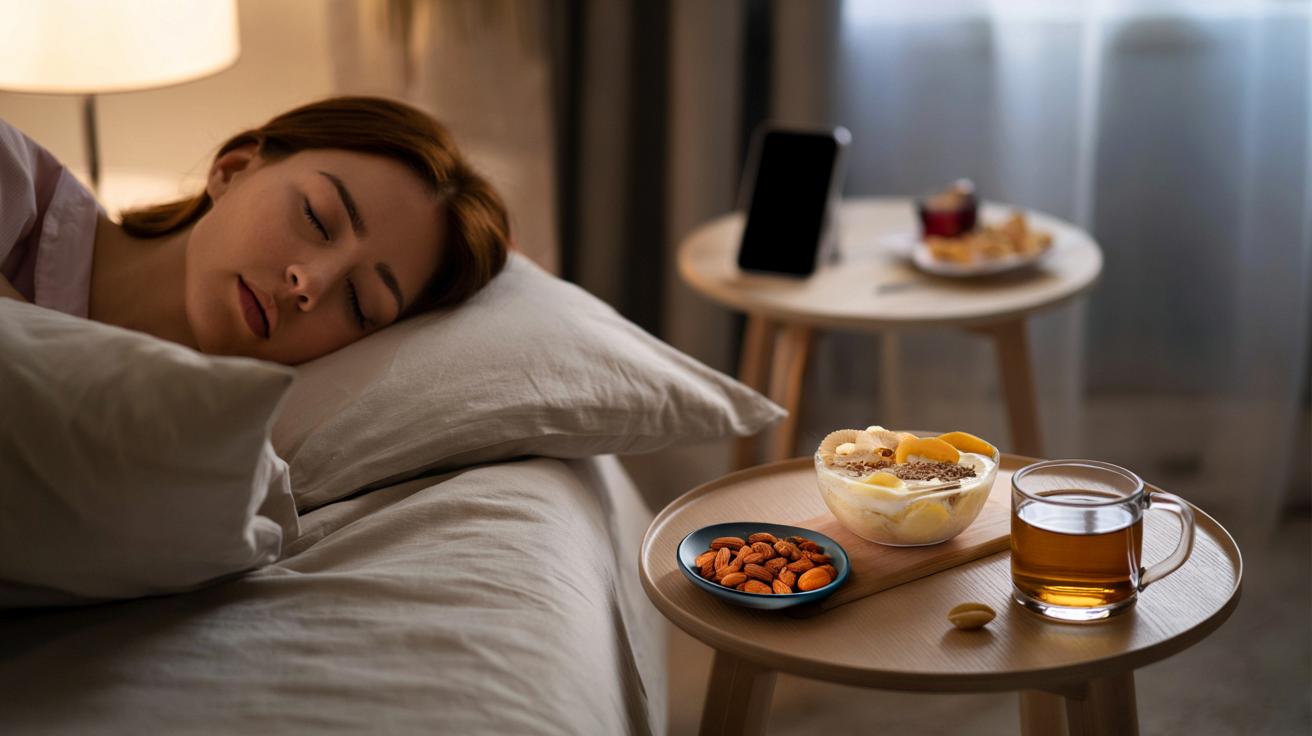
If you want your body to slide into slaapstand, think simple, warm, and licht. A small bowl of volle yoghurt with a handje noten and a paar plakjes banaan. A slice of volkorenbrood with a thin layer of pindakaas. A little bakje cottage cheese met wat kersen of kiwi. These foods bring together three useful friends: tryptofaan, a beetje langzame koolhydraten, and some eiwitten.
➡️ De nanny van de Prins en Prinses van Wales ontvangt een zeldzame koninklijke onderscheiding
That trio quietly pushes your body richting melatonine.
Nothing dramatic, just a gentle nudge toward slaperig in plaats van opgefokt.
We’ve all been there, that moment when you swear tonight you’ll eat light… and then you end up at 22:15 with a pizza in the oven because the day got out of hand. One reader told me her “turning point” came after a week of business trips. Every night: late dinners, wijn, desserts “because I deserved it”. Every morning: zwaar hoofd, broken sleep, coffee on repeat.
Back home she tried something almost boring.
For two weeks, she ate her main meal earlier and kept the late snack tiny: a baked apple with kaneel, or a handje ongezouten noten and a kiwi. By day four, she noticed she woke up before her alarm, zonder die kloppende moeheid achter haar ogen.
Your lichaam loves voorspelbaarheid. When you feed it roughly the same soort lichte snack at about the same time in the avond, it starts treating that as a sign. “Oh, we’re in the winding-down phase now.” That anticipation helps melatoninespiegel stijgen and spijsvertering vertragen at the right moment.
Let’s be honest: nobody really does this every single day.
But even four or five avonden per week of calmer, consistent snacks can shift your nights from chaos to iets dat tenminste op rust lijkt.
Veelgemaakte fouten én de simpele switch
One practical method: set an “eet-avondklok”. Not a strict dieetregel, just a gentle grens. Decide that your laatste echte maaltijd eindigt zo’n 3 uur voor je naar bed gaat. After that window, only slaap-vriendelijke snacks in kleine porties. Think of it as choosing your night-fuel instead of “nooit meer eten na acht uur”.
You can even prep a couple of go-to’s on zondag:
kleine porties hummus met wortelsticks, gekookte eitjes, een potje ongezouten noten, wat fruit al gewassen en klaar.
The trap many people fall into is the “ik heb het verdiend”-snack. After a long day, that zak chips, chocolate bar or borrelplank feels like comfort. For a moment, it is. Then your maag protesteert, je krijgt dorst from all the zout, your bloedsuiker schiet omhoog en daarna keihard omlaag. That rollercoaster doesn’t stop just because you turned off the light.
Be gentle with yourself here.
Food is emotion, habit, culture. Nobody flips this overnight, and nobody needs to be perfect to slaap beter.
Sometimes the smallest change — swapping that late glass of wine for a warm kruidenthee and a handful of amandelen — has a bigger effect on your nacht than buying a new mattress.
- Een kleine portie is genoeg: denk handje noten, halve banaan, klein kommetje yoghurt.
- Kies voor combinaties van eiwit + langzame koolhydraten (bijv. yoghurt + havermout).
- Vermijd veel suiker, gefrituurd eten en grote porties vlak voor bedtijd.
- Alcohol voelt ontspannend, maar breekt je diepe slaap in stukken.
- Plan je zwaarste maaltijd vroeg op de avond, niet als “laatste redmiddel” om 22:00.
Je avondbord als geheime slaaptool
Once you start seeing your avondeten as a remote control for your slaap, small choices feel less like straf and more like strategie. You notice that nights after soep, groente en een lichte snack feel anders dan na shoarma en ijs. You wake up and can often trace the quality of your nacht back to your bord.
*That link is oddly empowering once you’ve felt it a paar keer.*
This doesn’t mean every slapeloze nacht is your fault, or that eten álles bepaalt. Stress, hormonen, kinderen, werk, geluid, licht: they all play their part. Yet there’s something comforting about the fact that one of the levers you can still move is literally in your own keuken. You don’t need expensive gadgets, only a bit of aandacht voor wat er na 20:00 op tafel komt.
Some will notice the difference in a few nights, others after a paar weken.
Your lichaam has its eigen tempo when it learns to trust a new routine.
What happens if you treat tonight as a small experiment instead of “weer een mislukte poging om beter te slapen”? You could pick één ding: geen alcohol na het eten, een lichtere avondmaaltijd, of een simpel slaapvriendelijk snackje in plaats van die standaard koekjes. Watch how you feel tomorrow. Share it with a friend who always klaagt over slechte nachten. Sometimes a shared routine works better than any app, and your perfecte nachtrust begint gewoon met wat er op je bord ligt om negen uur ’s avonds.
| Key point | Detail | Value for the reader |
|---|---|---|
| Timing van laatste maaltijd | Eet je hoofdmaaltijd 2,5–3 uur voor bedtijd, daarna alleen lichte snacks | Meer kans op diepe, ononderbroken slaap en minder onrustig draaien |
| Slaapvriendelijke snacks | Kleine porties yoghurt, noten, banaan, volkorenbrood, ei of cottage cheese | Ondersteunt natuurlijke melatonine-aanmaak en stabiele bloedsuiker |
| Wat je beter overslaat | Vette, gefrituurde maaltijden, veel suiker, grote porties en alcohol laat op de avond | Minder nachtelijk wakker worden, minder maagklachten en helderder opstaan |
FAQ:
- Wat is het beste om te eten vlak voor het slapen?Een kleine, lichte snack met eiwit en langzame koolhydraten: bijvoorbeeld een kommetje yoghurt met wat havermout, een handje ongezouten noten met een halve banaan, of een sneetje volkorenbrood met een dun laagje pindakaas.
- Mag ik helemaal niets meer eten na 20:00 uur?Dat hoeft niet. Het gaat minder om het tijdstip en meer om wat en hoeveel je eet. Grote, zware maaltijden laat op de avond verstoren je slaap, maar een klein, slaapvriendelijk snackje kan juist helpen.
- Is een glas wijn ’s avonds echt zo slecht voor mijn slaap?Alcohol maakt je eerst slaperig, maar breekt daarna je diepe slaap af en vergroot de kans dat je vroeg wakker wordt. Af en toe een glas is geen ramp, maar verwacht er geen goede nachtrust van.
- Helpt warme melk voor het slapengaan echt?Voor sommige mensen wel. Warme melk bevat tryptofaan en het ritueel zelf werkt rustgevend. Een klein kopje is prima, zolang je geen grote hoeveelheden drinkt waardoor je ’s nachts naar het toilet moet.
- Hoe snel merk ik verschil als ik mijn avondeten aanpas?Sommige mensen merken al na een paar nachten dat ze rustiger slapen. Voor anderen duurt het één tot twee weken voordat hun lichaam aan het nieuwe patroon gewend is. Geef jezelf die tijd en kijk naar de trend, niet naar één losse nacht.